The bowl is the item your pet uses most often, two to three times a day, every day of its life. Yet, it's also the accessory that's chosen most quickly, often at random from the shelf. Material, height, diameter, bottom shape: every detail influences digestion, hygiene, and even eating behavior. Here's how to make the right choice, for both a dog and a cat.
1. Material: Stainless Steel, Ceramic, Plastic, or Bamboo
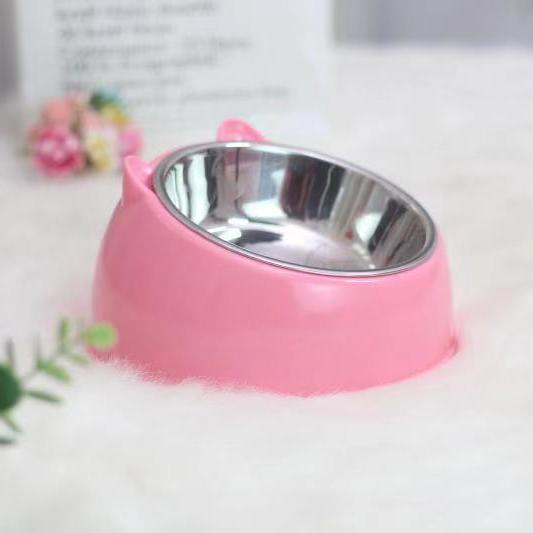
Stainless steel remains the benchmark: it doesn't retain odors, is virtually scratch-proof, is dishwasher-safe, and doesn't release any substances into the food. Ceramic is an excellent second choice, heavier and therefore more stable, provided it's lead-free and crack-free glazed. Plastic, however, scratches quickly, and these micro-scratches become breeding grounds for bacteria, responsible for many cases of chin acne in cats. As for bamboo, while aesthetic and eco-friendly, it doesn't withstand repeated dishwasher cycles well.
2. Height: An Underestimated Criterion
A bowl placed directly on the floor forces the animal to bend its neck and swallow a lot of air. For a medium to large dog, an elevated bowl at chest height significantly improves comfort and reduces regurgitation. For cats, a slight elevation of five to ten centimeters is sufficient and limits reflux. Be careful, however: in some large dog breeds predisposed to bloat, elevation is debated, and a veterinarian's advice always takes precedence.
3. Diameter and Depth, Especially for Cats
Cats hate it when their whiskers touch the sides: this is the famous whisker stress, which explains many half-eaten meals. Opt for a wide, shallow bowl, at least fifteen centimeters in diameter and three to four centimeters deep. For dogs, the rule is the opposite: a bowl that is taller than it is wide limits spills, especially for long-eared breeds, for which flared, cone-shaped models are ideal.
4. Anti-Gulp and Non-Slip Bowls
An animal that devours its meal in thirty seconds swallows air, regurgitates, and risks digestive problems. Labyrinth bowls, with internal ridges, slow down mealtime by three to five times and turn eating into a little puzzle game. Also check the base: a non-slip silicone ring prevents the bowl from sliding all over the kitchen, a source of stress and waste. You can find these models in our bowls and fountains section.
5. Water: Classic Bowl or Water Fountain?
The cat is descended from a desert animal and spontaneously drinks very little, which promotes urinary stones and kidney failure. A water fountain, with its flowing movement, increases the amount of water drunk by an average of fifty percent. For dogs, a large bowl of fresh water is sufficient in most cases, but a fountain remains interesting in summer or for dogs that paw at water.
6. Daily Hygiene, the Point Everyone Forgets
An unwashed bowl develops an invisible biofilm within twenty-four hours, comparable to that of a kitchen sponge. Rinsing with clear water is not enough: it's necessary to wash with hot, soapy water after each wet meal, and at least once a day for the water bowl. Ideally, provide two bowls per animal, so you always have a clean one while the other dries. This simple reflex significantly reduces recurrent digestive problems and skin issues around the mouth.
Conclusion
Choosing a bowl is not just buying a container: it's adapting an everyday tool to your animal's morphology, species, and temperament. Stainless steel or ceramic, sufficient width for cats, appropriate height for dogs, non-slip base, and a proper cleaning routine: these four criteria cover the essentials. If your animal eats too quickly, snubs its bowl, or spills everything, the problem very often comes from the equipment rather than its character. The ZooCroc team is at your disposal to guide you towards the most suitable model.
Frequently Asked Questions
1. Stainless steel or ceramic: which is the best material?
Stainless steel is the most hygienic and durable, ceramic is the most stable due to its weight. Both are excellent choices; just avoid plastic, which scratches and retains bacteria.
2. Should I elevate my dog's bowl?
It is recommended for medium to large dogs, arthritic animals, and seniors. For giant breeds predisposed to bloat, ask your veterinarian for advice before investing.
3. Why does my cat always leave food in its bowl?
Often because its whiskers touch the sides, or because the food at the bottom is no longer fresh. Try a wide, shallow bowl, and serve smaller quantities more often.
4. Are anti-gulp bowls really useful?
Yes, for animals that swallow their meal in less than a minute. They slow down mealtime by three to five times, limit air ingestion, and provide welcome mental stimulation, especially for bored dogs.
5. How often should the bowl be washed?
After each wet meal, at least once a day for kibble, and daily for the water bowl. Hot soapy water is essential: a simple rinse does not destroy biofilm.
6. Can the same bowl be used for both dog and cat?
It is strongly advised against. Their nutritional needs differ, sharing creates tension, and the dog will systematically finish the cat's richer and more palatable meal. Each animal should have its own bowl and location.
7. How many water bowls should there be in the house?
Ideally one per animal, plus an extra one, distributed in different rooms and never next to the litter box. The more water points there are and the more accessible they are, the more the animal drinks.
8. Is a water fountain noisy?
Recent models with submerged pumps are very quiet, provided the water level is kept at maximum: it's the lack of water that causes pump noise. Cleaning the filter every two to four weeks is enough to maintain silent operation.
9. Should there be a different bowl for a puppy or kitten?
Yes, a low, light, and small-diameter bowl, adapted to its current size. Plan to replace it once or twice during growth rather than buying an adult model that's too large right away.
10. My animal knocks over its bowl, what should I do?
Opt for a heavy ceramic or stainless steel bowl placed on a non-slip base, or even a floor-mounted support. For cats, this behavior sometimes indicates play or dissatisfaction related to stagnant water: a fountain often solves the problem.